
Compact Opulence for Modern Studio Living

Today we dive into space-saving luxury design strategies for studio apartments, translating high-end comfort into nimble square footage. Expect practical layouts, tactile materials, and lighting tricks drawn from boutique hotels and yachts. Bring your challenges; ask questions; subscribe for future room-by-room breakdowns and sourcing tips. Together we will turn constraints into creativity, elevating daily rituals with refined choices that look effortless yet work hard every hour.

Defining Luxury When Space Is Tight

Luxury in a studio is not measured by size but by intentionality, serenity, and sensory delight. It shows up in how drawers glide silently, fabrics breathe, and light falls across a perfectly proportioned table. I once helped refine a 28-square-meter pied-à-terre where one exquisite stone ledge replaced cluttered side tables, instantly calming the room. We will apply similar thinking here: fewer, better, and meticulously integrated details that reward daily use.

Curate Fewer, Better Pieces

Edit with courage. Replace an oversized sectional with a tailored loveseat, choose one sumptuous wool rug instead of several thin mats, and commit to a compact dining table that truly fits. Prioritize craftsmanship, quiet hardware, and durable finishes. Natural stone with honed surfaces, solid wood with soft edges, and performance textiles elevate touch while outlasting trends. Each item must carry its weight through storage, adaptability, and timeless silhouette.

Prioritize Flow and Proportion

Plan movement first. Maintain clear paths around the bed, kitchen, and entry, targeting thirty to thirty-six inches of circulation wherever possible. Keep sightlines open from doorway to window. Right-size seating and tables so knees, elbows, and bags do not collide with edges. Height matters as much as width; lower profiles allow light to pass beneath and views to extend beyond. Elegance arrives when nothing fights for attention, yet everything feels generously considered.

Rugs, Ceilings, and Light as Invisible Boundaries
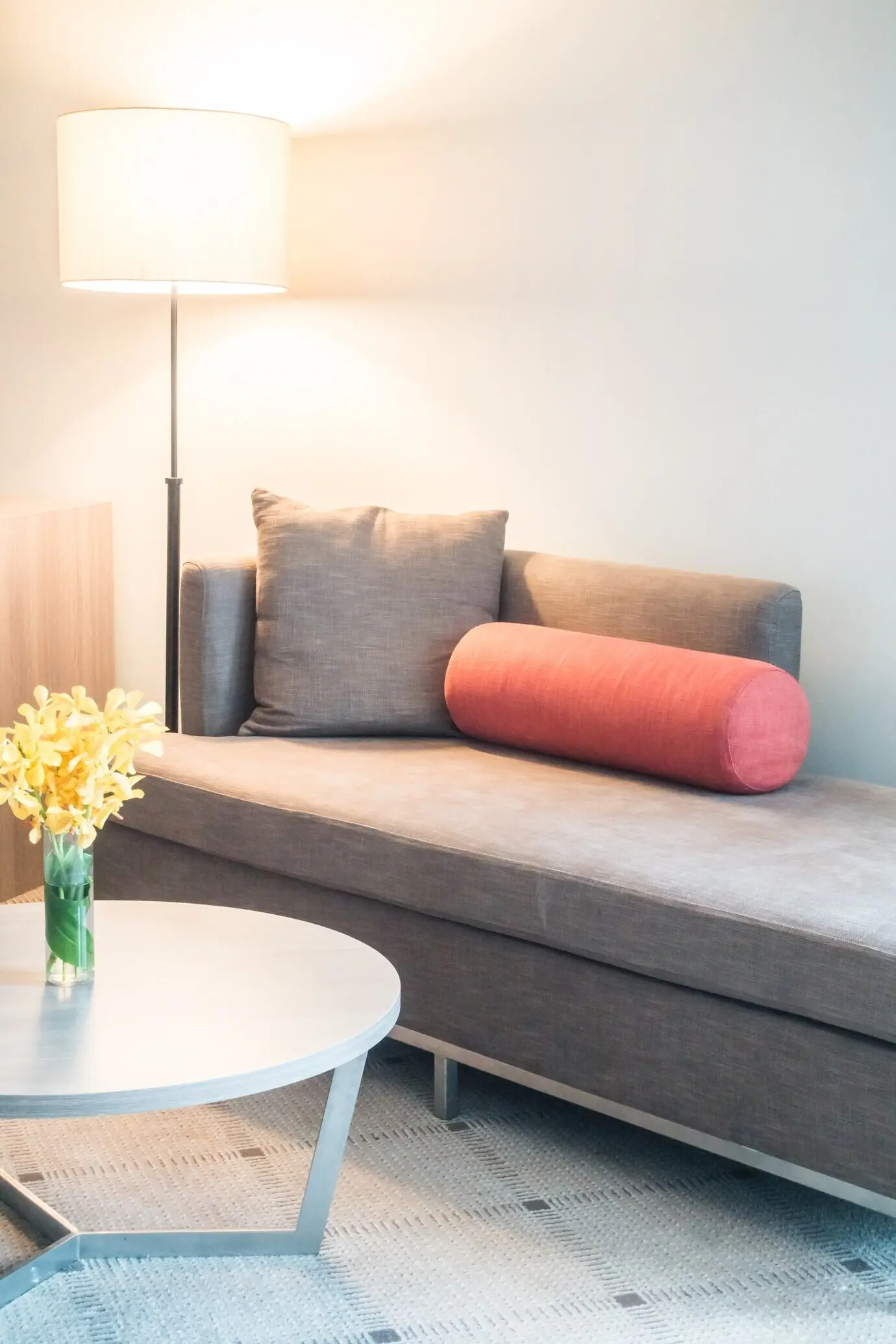
Anchor seating with a single large rug that contains every front leg, signaling a conversational island. Drop a pendant over a dining nook to designate intimacy. Add a shallow ceiling cove or paint shift to crown the bed subtly. Illuminate zones with independent dimmers so activities coexist without glare. Directional track heads can graze curtains while leaving a desk in brighter task light. These cues guide movement and mood, no drywall required.

Furniture as Architecture

Let pieces perform like gentle partitions. A sofa back forms a respectful threshold to sleeping. A waist-high bookcase acts as both storage and visual stop, preserving sightlines while quietly dividing functions. Use a slim peninsula to mark the kitchen yet maintain flow. Mobile elements—bar carts, rolling islands, nesting stools—adapt as needs change. Architectural order emerges from logical placement, ensuring every piece has a role in shaping circulation, privacy, and delightful discovery.

Storage that Disguises Itself

Hidden capacity is the secret star of refined studio living. Think bespoke millwork hugging every millimeter, toe-kick drawers, headboard niches, and a banquette lifting to reveal dinnerware. Choose push-to-open hardware or integrated pulls to avoid visual noise. Line interiors with durable laminates to protect against spills. Use adjustable shelves, valet rods, and drawer dividers so everything has a precise place. When storage disappears, design reads as elegantly effortless and luxuriously uncluttered.

Vertical Real Estate

Climb the walls. From floor-to-ceiling wardrobes to overhead kitchen cabinets, verticality multiplies usefulness without enlarging footprints. Incorporate a rail-and-ladder system or discreet step stool. Place shallow cabinets in tight corridors for shoes, umbrellas, and bags. Use mirrored fronts to reflect light and visually recede mass. A consistent finish across tall elements unifies the envelope, allowing a single sculpted timber or lacquered plane to behave like elegant architecture instead of heavy storage furniture.

Dual-Purpose Showpieces

Let the most beautiful things do the hardest work. A platform bed with full-extension drawers replaces dressers entirely. A bench at the window hides blankets yet invites tea-time views. An ottoman opens to store board games while a tray converts it into a smart coffee table. Choose hinges tested for many thousands of cycles, and opt for soft-close everywhere. Beauty endures when mechanisms are reliable and weight feels featherlight to operate daily.

Daily Ritual Stations

Design compact zones that anticipate routines. An entry cabinet with concealed hooks and a shallow drawer corrals keys, headphones, and sunglasses. A niche coffee bar hides behind pocket doors, keeping counters pristine. A nightstand drawer integrates USB-C and wireless charging, eliminating cable clutter. Label interiors discreetly for easy resets. Ritual stations transform habits into pleasure, reinforcing the feeling of hotel-level calm where every object returns to its place with gratifying simplicity.

Material Palette: Rich, Light, and Durable

Sophisticated studios balance luminosity with tactile depth. Choose light oak, creamy microcement, and soft white walls to bounce daylight far into corners. Ground with a darker stone ledge or metal detail to add gravitas without visual heaviness. Favor mattes for calm, gloss for subtle reflection, and brushed finishes for fingerprints. Stick to a restrained palette to avoid fragmentation. The highest luxury is longevity: finishes that age gracefully, clean easily, and feel better over time.

Light-Colored Bases, Dark Anchors

Build a luminous foundation using pale woods, linen-toned paints, and honed light stone. Then add a single deep accent—smoked oak shelves, charcoal porcelain, or bronze edge trim—to create rhythm and depth. Mirrors, when sized generously, amplify windows and extend sightlines. Use satin sheens to soften reflections. The contrast should whisper, not shout, supporting serenity while giving the eye somewhere confident to rest. This balance reads refined, intentional, and quietly commanding.

Texture Over Ornament

Replace fussy details with sensory richness. Fluted timber fronts catch light without adding clutter. Bouclé, velvet, and brushed wool invite touch while absorbing sound. Linen drapery puddles lightly, adding movement without pattern overload. Stone with gentle veining brings natural variation that feels timeless rather than busy. The space breathes because nothing screams for attention, yet everything rewards closer inspection. Texture supplies the melody, allowing minimal forms to feel layered, comforting, and deeply inviting.

Small-Scale Stone and Metal

Use disciplined accents. A slim marble backsplash, mitered stone side table, or narrow brass reveal at cabinetry can communicate luxury without crowding. Choose large-format porcelain for fewer grout lines and easier cleaning. Embrace thin profiles where possible to keep edges crisp and light. Patinated metals age beautifully, recording touch in a way that feels human and honest. This controlled sparkle elevates quiet surfaces, making even compact corners worthy of lingering attention.

Lighting Layers That Amplify Space

Light becomes architecture in a studio, shaping perception and routines. Build three layers: ambient to float the room, task for precision, and accent for emotion. Favor dimmers, warm color temperatures in the evening, and high color rendering for cooking and grooming. Hide fixtures where possible, celebrate one sculptural piece where it counts. Smart controls recall scenes for work, dinner, and rest, turning a small footprint into a responsive, day-to-night sanctuary.

Ambient Glow with Minimal Footprint

Use cove lighting, slim recessed fixtures, or perimeter tracks to wash walls and dissolve shadows. Bounce light off ceilings to increase apparent height. Avoid grids of downlights that puncture the ceiling with visual noise. Aim for warm white around 2700–3000K in the evening and dim to suit mood. Let the envelope glow softly so furniture appears to float. This gentle halo enlarges the room psychologically, inviting relaxation without sacrificing clarity or control.

Task Beams Precisely Where Needed

Deliver clean, focused light for reading, cooking, and grooming. Under-cabinet LEDs flatten shadows on cutting boards. A swiveling reading sconce frees nightstand space while aiming exactly where eyes need it. At the vanity, vertical lights on both sides of the mirror eliminate harshness. Choose high color rendering for accurate tones and install separate switches for independence. Restraint in fixture count paired with specificity in placement keeps the plan efficient, crisp, and elegant.

Accent Sparkle and Drama

Create moments of wonder. A slender picture light grazes art, strip LEDs behind a headboard add depth, and a single statement pendant over the table becomes jewelry for the room. Avoid mini chandeliers that crowd sightlines; scale thoughtfully. Dim accent lights lower than ambient to build contrast and intimacy. These touches choreograph evening rituals, turning simple meals and quiet reading into experiences that feel indulgent, cinematic, and perfectly personal within a compact envelope.

Transformers: Furniture That Works Overtime

In compact luxury, adaptability is everything. Seek mechanisms tested for longevity, smooth hydraulics, and frames that do not rattle. A wall bed can reveal a sofa by day, while a console expands for dinner guests. Choose nesting tables, wall-mounted desks, and lightweight stools to reconfigure instantly. Before purchasing, map dimensions in tape, practice transitions, and verify clearances. Share your layout dilemmas in the comments so we can suggest smart, space-multiplying pairings together.
Lerolumeranevipopoxinano
Privacy Overview

This website uses cookies so that we can provide you with the best user experience possible. Cookie information is stored in your browser and performs functions such as recognising you when you return to our website and helping our team to understand which sections of the website you find most interesting and useful.