
Glow Without Limits in Small Spaces
Today we explore layered lighting plans to cultivate opulence in petite rooms, revealing how thoughtful ambient, task, and accent strategies expand perception, flatter finishes, and orchestrate mood. Expect practical placement tips, elegant fixture ideas, and real stories that show how small footprints can feel finely appointed, gracious, and calm when light is treated as architecture, texture, and choreography all at once.

The Triad That Enlarges Space
Creating a luxurious impression in compact rooms begins with the balanced trio of ambient wash, precise task beams, and sculptural accents. When each layer carries its own purpose yet blends harmoniously, walls appear farther, ceilings feel higher, and furnishings gain quiet presence. This approach reduces visual noise, invites comfort, and frames intimate moments without overwhelming the eye. It is the difference between brightness and brilliance, between illumination and atmosphere.
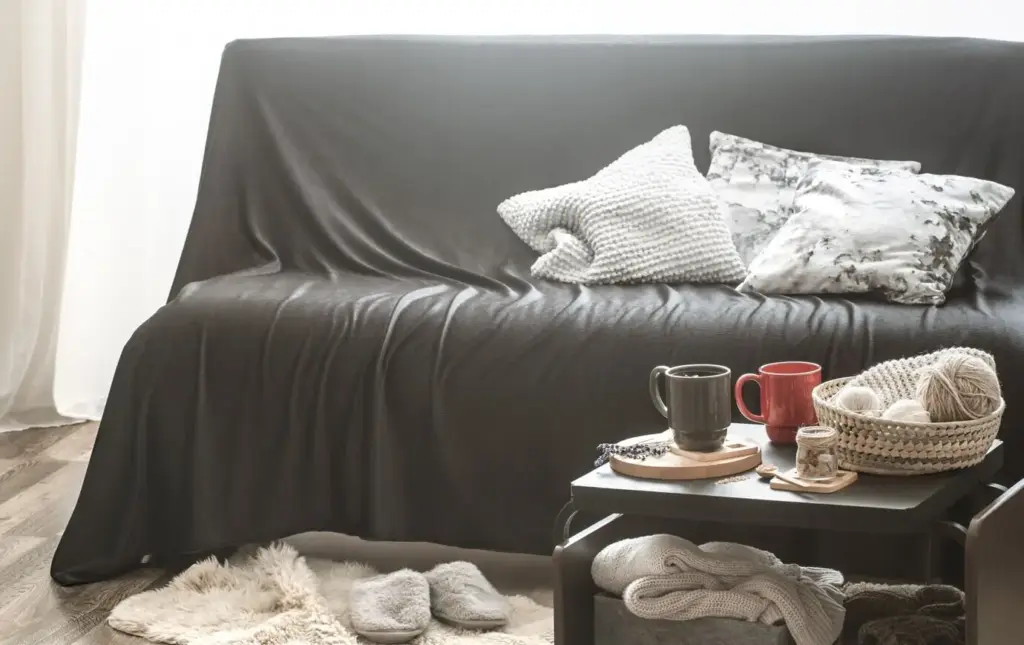
Ambient That Feels Like Air
Aim for soft, even illumination that seems to originate from the room itself rather than obvious sources. Indirect cove or ceiling-bounced light dissolves harsh edges, while wall washers stretch boundaries with gentle gradients. Choose warm, consistent temperatures and high color rendering to flatter paint, textiles, and skin. The goal is calm, pervasive glow—an invisible foundation that allows every other layer to sing without competing or casting unwanted drama.

Task Beams with Grace, Never Clutter
In petite rooms, task light should be precise but discreet, bringing lumens exactly where they help—desks, reading chairs, vanities, counters—without filling space with large hardware. Use adjustable sconces, slender swing-arm fixtures, or low-profile undercabinet strips to keep sightlines clear. A narrow beam angle can spotlight activities while preserving shadows elsewhere. Thoughtful placement reduces glare on screens and art, making small zones feel tailored, intentional, and comfortingly efficient.
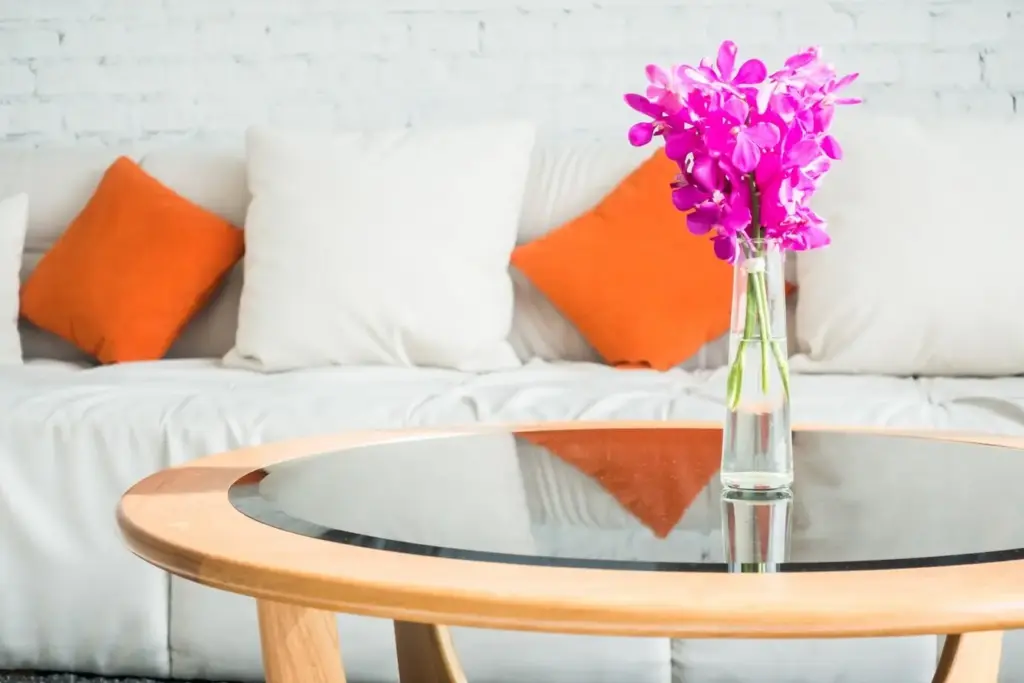


Scenes, Dimmers, and Color Nuance
Warmth That Flatters
Favor 2700–3000K for evening comfort, nudging warmer for winding down and cooler around tasks when clarity matters. Keep layers within a close temperature family to avoid mismatched tones that make walls look dingy. High CRI elevates wood grain, fabrics, and artwork, suggesting quality without adding bulk or cost. The result is flattering, intimate glow—especially important in compact bedrooms and living nooks where comfort relies as much on color character as brightness.
The Three-Dimmer Rule
Place ambient, task, and accent lights on separate dimmers so each layer can rise or retreat independently. This triad enables reading without flooding the room, entertaining without glare, and cinematic evenings without darkness. Create a few named scenes—Welcome, Focus, Unwind—so control becomes effortless. In small homes, thoughtful switching transforms experience more than additional fixtures would, granting people agency over mood and energy while keeping the visual field quiet, coherent, and deeply inviting.
Glare Control and Comfort
Shield bright sources with diffusers, baffles, and careful aiming angles so eyes relax rather than squint. Use narrow beams to accent, wider washes for ambient, and soft edges to reduce harsh transitions. Verify dimmer compatibility to prevent flicker, and keep reflective surfaces in mind during placement. Comfort encourages lingering, conversation, and reading. In petite rooms, this restraint feels luxurious, like a tailored seat that supports perfectly without announcing itself at every turn.
Surfaces, Shadows, and Luxurious Perception
Light is dialogue: it bounces, grazes, and reveals. Gloss paints, satin metals, and mirrors multiply brightness and stretch boundaries, while matte textures keep glare in check. Controlled shadow adds dimensionality that reads as richness. Grazing stone, ribbed wood, or pleated fabric draws the eye along depth, tricking it into perceiving more volume. When materials and luminaires collaborate, small rooms gain sculptural poise, feeling composed, layered, and quietly extraordinary without costly structural changes.
Bounce Light Off Beauty
Place luminaires so they skim reflective planes—ceilings painted a gentle pearl, pale linens, or metallic trays mounted as art. The bounced glow feels natural, wide, and delicate. Avoid direct glare by tucking sources behind lips or moldings. Think of the ceiling as a soft lantern and the walls as gentle mirrors. This choreography reduces fixture count, enhances perceived height, and bathes petite rooms in an even, gracious radiance that whispers sophistication.
Texture Needs Shadow to Speak
Run low-angle grazers along fluted panels, brick, or woven grasscloth to coax subtle relief without heaviness. The micro-shadows they create add depth that furniture alone cannot supply. Keep luminance balanced so texture reads friendly, not harsh. One lit surface per wall is often enough in tight rooms. Dim slightly in the evening to turn grain into velvet. The space gains character, like a well-bound book whose embossed cover invites touch and attention.
Curtains, Mirrors, and Depth Illusion
Layer a slim uplight behind floor-length curtains to suggest hidden windows and softened edges. Position a mirror opposite a shaded sconce so the reflection doubles candlelike glow without hotspots. Choose frames and hardware that disappear. These moves avoid clutter while multiplying light paths. The eye reads the expanded geometry and assumes more square footage. Subtlety makes the magic believable, creating depth and serenity where only a few careful watts truly live.
Placement Maps for Petite Floor Plans
Before buying fixtures, sketch a scaled plan marking activities, sightlines, and vertical opportunities. Prioritize ceiling bounce, wall wash, and targeted beams where they matter most. Keep pathways clean, align centers with focal points, and respect clearances for doors and closets. In rentals, map plug-in options along baseboards and shelves. A disciplined plan turns constraints into choreography, ensuring every lumen carries purpose, elevates comfort, and contributes to the illusion of generous architectural volume.
Stories, Checklists, and Your Next Glow
Real transformations teach best. A tiny studio becomes gracious with one uplight, two dimmable sconces, and a picture light grazing linen art. A slender chandelier hangs higher than expected, supported by wall wash. Scenes deliver morning clarity and evening hush. Use the checklist below to start, then share photos, questions, or wins. Your experience helps others refine their approach, and together we learn how small spaces can shine like treasured jewel boxes.

A Studio Transforms in One Weekend
Nine square meters felt cramped until a renter added a plug-in uplight behind curtains, swapped a harsh bulb for warm high-CRI lamps, and installed two adjustable picture lights. Clutter receded; textures woke up. A small rug under the bistro table caught a pinspot, creating a destination. By Sunday night, the apartment felt intentional and calm, as though walls had quietly stepped back to make room for dinners, books, and soft conversation.

A Hallway Grows Longer with Light
A narrow corridor once read as a tunnel. We added low-glare wall washers spaced evenly, then placed a mirror at the end reflecting a shaded sconce. The gradient pulled the eye forward, erasing the sense of squeeze. A hidden toe-kick strip offered night glow without waking the house. Visitors now pause, noticing framed photos newly animated by gentle highlights. No demolition needed—only thoughtful light, patiently layered and tenderly controlled over time.